


A dental filling is one of the most common and essential restorative treatments used to repair teeth damaged by decay or fractures. In Nigeria, where diet and lifestyle changes are leading to an increase in dental cavities, understanding how fillings work is the first step toward maintaining a healthy, pain-free smile.
This guide provides a comprehensive look at dental fillings, the types available in Nigerian clinics, and what you can expect during the procedure.
What Is a Dental Filling?
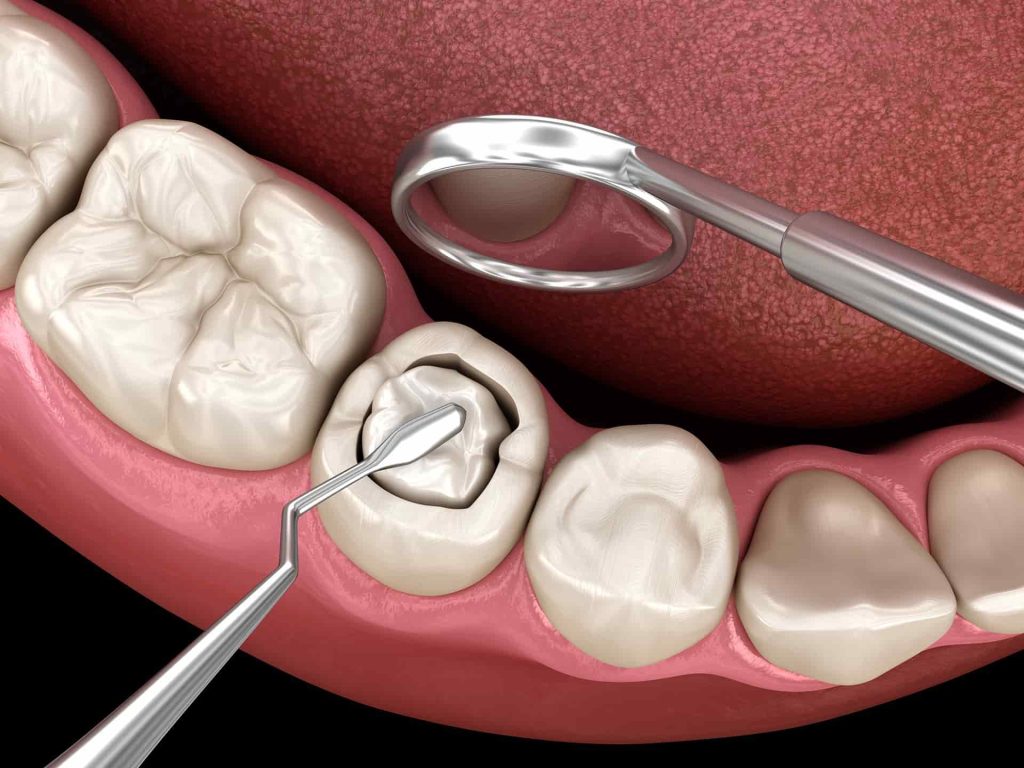
At its core, a dental filling is a treatment used to restore the function, integrity, and morphology of a missing tooth structure. This “missing structure” is usually caused by caries (cavities) or external trauma (like a chipped tooth).
By “filling” the hole created by decay, the dentist prevents further deterioration and protects the sensitive inner parts of the tooth from bacteria.
Common Signs You Need a Dental Filling
Many people in Nigeria avoid the dentist until they experience severe pain. However, catching a cavity early can save you from more expensive procedures like root canals or extractions.
Look out for:
- Tooth Sensitivity: Sharp pain when consuming hot, cold, or sugary drinks and snacks.
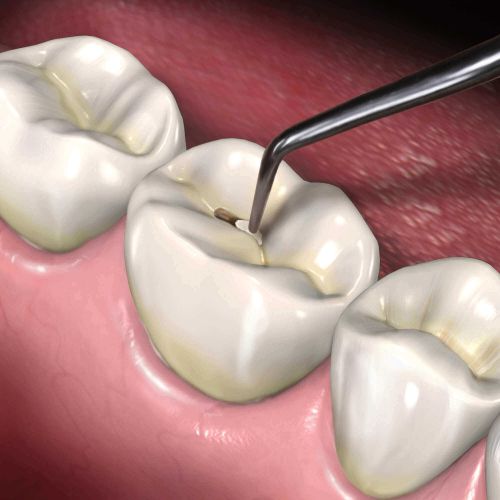
- Visible Holes: Dark spots or tiny holes you can see or feel with your tongue.
- Persistent Toothache: A dull ache or sharp pain when biting down.
- Food Traps: If food constantly gets stuck in a specific spot between your teeth, it may indicate a cavity.
Types of Dental Fillings Available in Nigeria
Modern Cons: The dark color makes them noticeable, so they are typically reserved for back molars.
Pros: Extremely durable and long-lasting, often surviving 10–15 years. They are usually the most affordable option.offers several materials to restore your teeth. Your choice often depends on the location of the cavity, your budget, and aesthetic preferences.
- Composite (Tooth-Colored) Fillings: Composite resins are the most popular choice in urban centers like Lagos, Abuja, and Port Harcourt. They are made of a mixture of plastic and glass.
- Pros: They match the natural color of your teeth, making them invisible. They also bond chemically to the tooth structure.
- Best for: Front teeth or visible parts of the smile.
2. Silver Amalgam Fillings: A traditional choice made from a mixture of metals (silver, tin, zinc, and mercury).
- Cons: The dark color makes them noticeable, so they are typically reserved for back molars.
- Pros: Extremely durable and long-lasting, often surviving 10–15 years. They are usually the most affordable option.
- Glass Ionomer Cement (GIC): GIC is often used for fillings below the gumline or in children’s “milk” teeth.
- Pros: They release fluoride over time, which helps prevent further decay.
- Cons: They are weaker than composite or amalgam and may wear down faster.
4. Porcelain/Ceramic Inlays:
- Pros: Highly resistant to staining and very durable.
- Cons: More expensive than standard fillings.
The Procedure: What to Expect at a Nigerian Dental Clinic
If you are nervous about your appointment, knowing the steps can help ease your mind. A standard filling usually takes about 30 to 60 minutes.
- Local Anesthesia: The dentist numbs the area around the tooth to ensure you feel no pain during the process.
- Removal of Decay: Using a dental drill or laser, the dentist removes the decayed or damaged portion of the tooth.
- Cleaning and Preparation: The space is cleaned of bacteria and debris. If the decay is near the root, a liner might be added to protect the nerve.
- Filling the Tooth: The chosen material is applied in layers. For composite fillings, a special “curing light” is used to harden each layer instantly.
- Polishing: Once the filling is set, the dentist shapes it and polishes it so it feels natural when you bite.
Cost of Dental Fillings in Nigeria
The cost of a dental filling in Nigeria varies based on the city, the clinic’s reputation, and the material used. On average:
Amalgam fillings are generally the most budget-friendly.
- Composite fillings are mid-range.
- Ceramic or Gold inlays are at the premium end.
Note: It is always best to consult with your local dentist for a specific quote based on the size of the cavity.
How to Make Your Filling Last
A filling isn’t a “set it and forget it” solution; it requires care to prevent secondary decay.
- Brush twice daily with fluoride toothpaste.
- Floss once a day to remove plaque from between the teeth where the filling meets the natural enamel.
- Limit sugary snacks: High sugar intake promotes the bacteria that cause cavities.
- Regular Check-ups: Visit your dentist every six months to ensure the filling hasn’t cracked or leaked.
Conclusion
Dental fillings are a simple, effective way to stop tooth decay in its tracks and preserve your natural smile. Whether you prefer the durability of amalgam or the aesthetics of composite, seeking treatment early is the best way to avoid pain and high costs later.
