

Comparing the costs of metal braces vs. Invisalign? Discover the hidden expenses, time-saving benefits, and long-term value of each treatment to find the best fit.
Introduction: Evaluating the True Cost of Care
When patients in Nigeria begin their journey toward a straighter, more confident smile, the first question is almost always: “Which one is cheaper?”
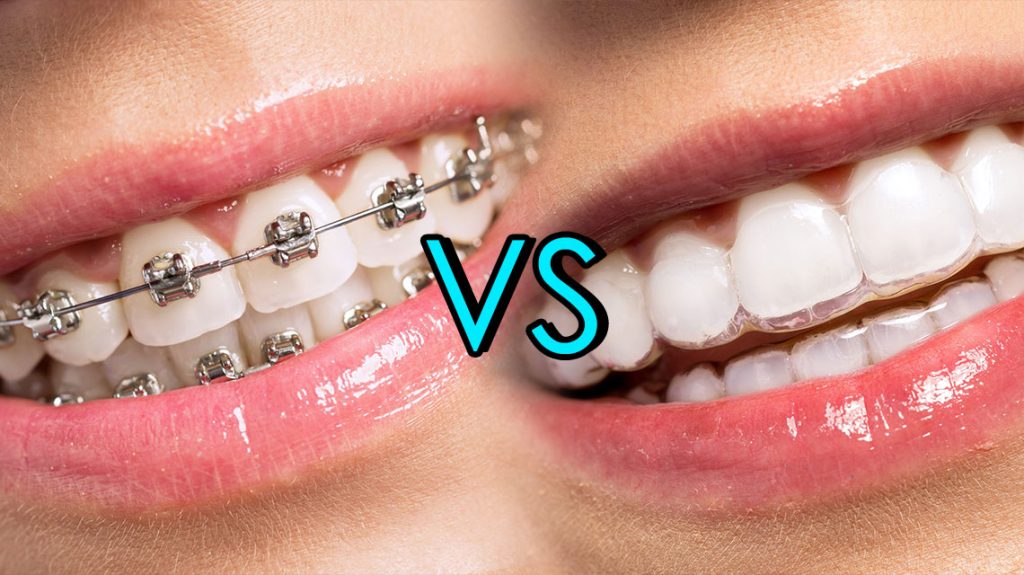
In the red corner, we have Traditional Metal Braces, the reliable, cost-effective veteran that has been the gold standard for decades. In the blue corner, we have Invisalign, the high-tech, discreet newcomer that has revolutionized orthodontics. On paper, metal braces usually boast a lower “sticker price.” However, a smart consumer knows that the initial quote provided at a dental clinic in Ibadan is only one part of the financial story. To find the true value, you must look beyond the hardware and evaluate hidden expenses, the value of your time, and long-term savings on dental health.
The Upfront Cost Comparison: Why the Price Difference?
Traditional braces are generally the most affordable entry point for orthodontic correction. The hardware—consisting of stainless steel brackets, archwires, and elastics—is universal and relatively inexpensive to manufacture and ship. Because the technology is “analog,” the primary cost is the orthodontist’s expertise and the duration of the treatment.
Invisalign, conversely, carries a higher upfront cost due to the massive amount of proprietary technology involved. Rather than manual adjustments, your dentist uses a sophisticated 3D intraoral scanner to create a digital map of your mouth. This data is sent to a specialized laboratory where a series of custom, medical-grade plastic aligners are 3D-printed specifically for your teeth. While the price gap for Invisalign in Nigeria is gradually narrowing as the technology becomes more accessible, it remains the premium-priced option due to these lab fees and high-tech diagnostics.
The “Hidden” Costs of Traditional Metal Braces
While the initial bill for braces is lower, they often come with secondary costs that many patients fail to budget for:
- Emergency Repairs: Brackets can break, and wires can snap, especially if you enjoy crunchy or sticky foods. Depending on your clinic’s policy, frequent emergency visits to fix hardware can add up in both “per-visit” fees and the cost of transportation to the clinic.
- Hygiene Challenges & Cavities: It is notoriously difficult to clean around metal brackets. If plaque is allowed to sit, it can lead to “white spot lesions” (decalcification) or cavities. If you develop decay during treatment, you’ll be facing expensive filling or bonding bills once the braces are removed.
- Specialized Cleaning Tools: To maintain hygiene, you’ll need to invest in interdental brushes, water flossers, and orthodontic wax—small costs that accumulate over a 24-month treatment plan.
The “Hidden” Costs of Invisalign
Invisalign isn’t without its own set of financial risks, though they are usually tied to patient behavior rather than hardware failure:
Refinement Fees: Invisalign relies entirely on “compliance.” If you aren’t disciplined about wearing the trays for at least 22 hours a day, your teeth will not move according to the digital plan. This can lead to “mid-course corrections” or “refinement” stages, which may incur extra lab fees.
The Replacement Fee: Invisalign trays are clear and removable, which makes them easy to lose. It is a common (and expensive) mistake to wrap an aligner in a napkin during lunch, only for it to be thrown away. Most manufacturers charge a replacement fee per tray.
Time is Money: The Frequency of Appointments
One of the biggest financial benefits of Invisalign, often overlooked by busy professionals and entrepreneurs in cities like Ibadan, is the reduction in clinic visits.
Traditional braces require “adjustments” or “tightening” every 4 to 6 weeks. For someone with a demanding career, the cost of taking half a day off work every month for two years is a significant “hidden” expense.
Invisalign offers a more flexible schedule. Because you are often given several sets of trays to change at home, you may only need to see your dentist every 8 to 12 weeks for a quick progress check. Shorter, less frequent appointments mean less time away from your business or office, which can effectively bridge the price gap between the two treatments.
Long-Term Value and Oral Health Savings
A major factor in truly “saving money” is avoiding future dental work. The greatest advantage of Invisalign is that it allows you to remove the trays to brush and floss normally. By maintaining superior gum health during treatment, you significantly reduce the risk of developing periodontal disease or deep decay.
In contrast, if metal braces lead to severe gum inflammation or enamel damage that requires specialist treatment or veneers later, the “cheaper” option may end up being the most expensive investment you ever made.
Quick Comparison Table
| Feature | Traditional Braces | Invisalign |
|---|---|---|
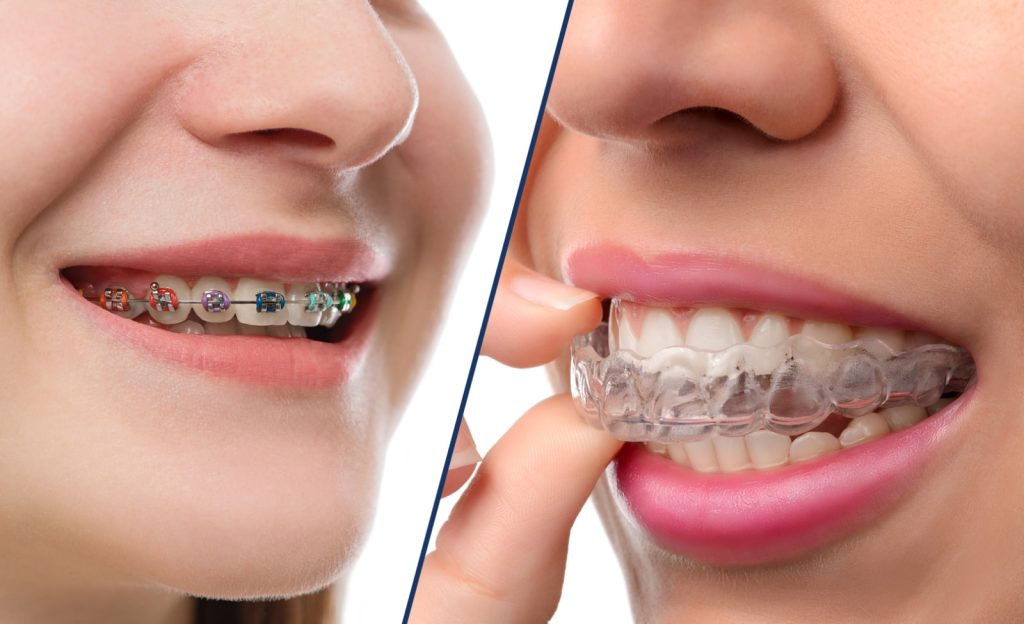
| Visibility | High (Metal) | Low (Clear) |
| Dietary Restrictions | No sticky/hard foods | None (Trays are removed) |
| Cleaning | Complex (Floss threaders) | Simple (Regular brushing) |
| Comfort | Possible wire pokes | Smooth plastic |
| Visit Frequency | Every 4-6 weeks | Every 8-12 weeks |
Conclusion: Making the Right Choice for Your Budget
In the end, the “cheaper” option is the one that gets you to the finish line without extra complications. If you are highly disciplined, have a busy schedule, and value the ability to eat and clean your teeth without restriction, Invisalign may offer the best total value. However, if you prefer a “fixed” solution where the hardware does the work without you needing to remember to put it back in, traditional braces remain a fantastic, proven choice.
Get a Personalized Quote
Unsure which option fits your lifestyle and your wallet? We provide comprehensive orthodontic consultations to help you weigh the pros and cons of each treatment based on your specific dental needs.
Take the first step toward your new smile today. Book your dental appointment with AskTheDentist Clinics now:
Phone/WhatsApp: +234 905 188 5390
Phone/WhatsApp: +234 903 596 9039
