


Gum disease often has no pain until it’s too late. Learn why periodontitis is a silent threat and how to protect your smile and overall health.
Introduction: The Enemy You Don’t Feel
In the world of dentistry, pain is usually the loud, unmistakable alarm that tells you something is wrong. A sharp, stinging ache from a cavity or the throbbing pressure of an abscess is what usually drives people to seek professional help. However, the most destructive force in oral health Periodontal Disease is notoriously quiet.
Often referred to as a “silent threat,” gum disease can progress through its most damaging stages without causing a single moment of significant pain. By the time many patients in Nigeria realize they have a problem, the supporting bone structure of their teeth has already begun to dissolve. Understanding the progression of this disease is the first step in protecting your smile for a lifetime.
The Progression: From Gingivitis to Periodontitis
- Gum disease is not a one-time event; it is a progressive bacterial infection. It begins with the accumulation of plaque a sticky film of bacteria that eventually hardens into tartar (calculus) if not professionally removed.
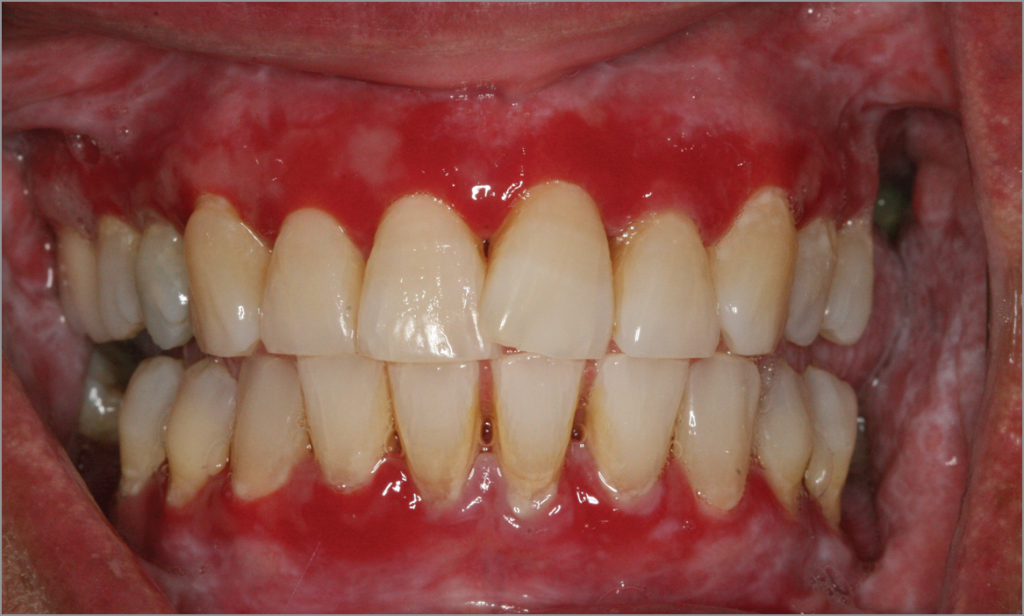
- Stage 1: Gingivitis (The Warning Phase) This is the earliest and only completely reversible stage of gum disease. At this point, the bacteria have only affected the soft gum tissue.
- What to look for: Gums that appear red, puffy, or slightly swollen. You might notice “pink in the sink” when you brush or floss.
- The Solution: With a professional dental cleaning and a boost in your home oral hygiene routine, your gums can return to total health.
- Stage 2: Periodontitis (The Point of No Return)
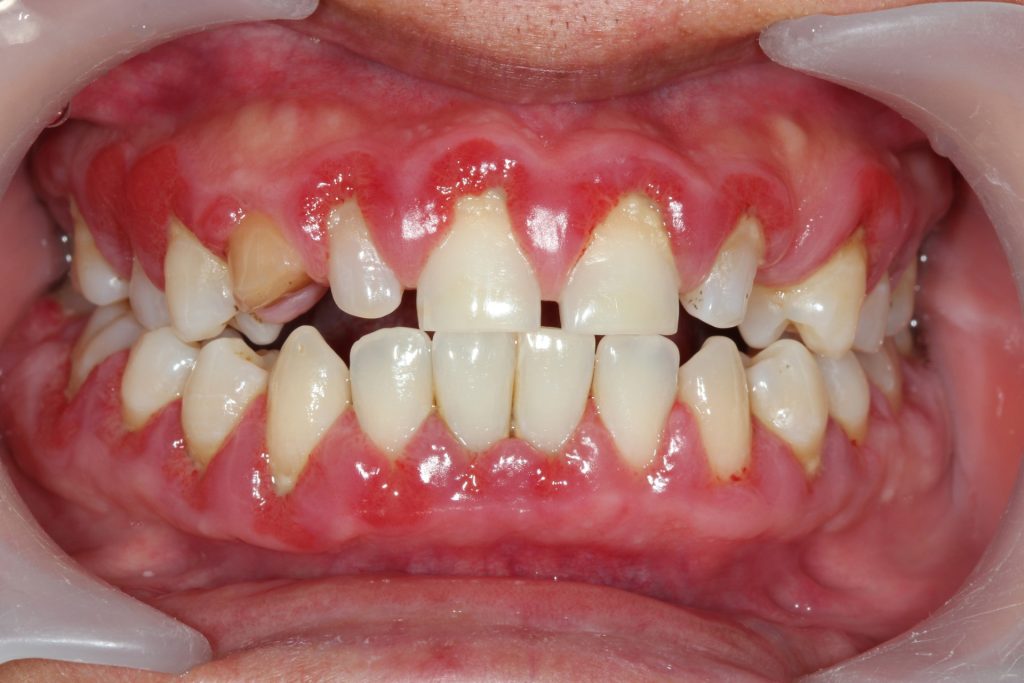
- If gingivitis is ignored, the infection spreads beneath the gum line. This is where the “silent” danger escalates. The gums begin to pull away from the teeth, creating “pockets” that act as traps for bacteria and food debris.
- As your immune system tries to fight off the invading bacteria, it inadvertently releases enzymes that break down the very bone and connective tissue that hold your teeth in place. While the infection can be managed at this stage, any bone lost cannot be naturally grown back.
Why is Gum Disease So Hard to Detect?
The danger of periodontitis lies in its subtlety. Unlike a broken arm or a tooth cavity, it doesn’t always interfere with your daily life until it reaches a crisis point.
- A Lack of Acute Pain: Infected gums generally do not hurt until an abscess forms or a tooth becomes loose.
- Gradual Recession: Your gums may recede so slowly, fractions of a millimeter at a time, that you don’t notice your teeth appearing “longer” until the roots are exposed.
- The “Smoker’s Mask”: For those who use tobacco, the symptoms are even more hidden. Nicotine constricts blood vessels in the mouth, meaning the gums may not bleed even when they are severely infected, giving a false appearance of health.
The Systemic Connection: A Whole-Body Health Crisis
Modern medical research has proven that gum disease isn’t just “a mouth problem.” The mouth is a gateway, and the chronic inflammation associated with periodontitis allows bacteria to enter the bloodstream, contributing to several serious systemic conditions:
| Condition | The Connection |
|---|---|
| Heart Disease | Bacteria from the mouth can contribute to arterial plaque and increase the risk of stroke or heart attack. |
| Diabetes | It is a two-way street; gum disease makes it harder to control blood sugar, and high blood sugar makes gum infections harder to heal. |
| Respiratory Health | Bacteria from the mouth can be inhaled into the lungs, potentially causing pneumonia or aggravating COPD. |
| Pregnancy | Advanced periodontitis has been linked to premature births and low birth weight in newborns. |
Identifying the Warning Signs
While gum disease is quiet, it isn’t invisible. If you know what to look for, you can catch it before it claims your teeth. Watch for these red flags:
- Halitosis (Persistent Bad Breath): If your bad breath doesn’t go away after brushing or using mouthwash, it’s likely caused by “sulfur-producing” bacteria living in deep gum pockets.
- A Metallic Taste: Chronic bleeding or infection can leave a faint metallic taste in your mouth.
- Shifting Teeth: If your teeth feel slightly loose or if you notice new gaps forming between them, the bone support is likely compromised.
- Changes in Your Bite: Noticing that your teeth fit together differently when you close your mouth is a sign of shifting foundations.
Prevention: Your Best Defense
Because you cannot feel the bone loss occurring, professional intervention is your only reliable defense. During a routine checkup, a dentist uses a periodontal probe to measure the depth of the “pockets” around your teeth.
- 4mm Pockets: Usually require a non-surgical deep cleaning known as Scaling and Root Planing.
- 8mm+ Pockets: Often require surgical intervention or, in severe cases, the extraction of the tooth.
Routine dental cleanings every six months allow your dentist to remove the tartar that your toothbrush simply cannot reach, stopping the silent progression in its tracks.
Secure Your Oral Foundation Today
Your gums are the foundation of your smile. Just as you wouldn’t ignore a crack in the foundation of your home, you cannot afford to ignore the health of your gums. Protecting them is one of the most significant investments you can make for your long-term health and quality of life.
Don’t wait for the pain take action now.
Book your comprehensive dental assessment with AskTheDentist Clinics to ensure your foundation is solid. Reach us today:
Call/WhatsApp: +234 905 188 5390
Call/WhatsApp: +234 903 596 9039
