


Tooth removal, also known as tooth extraction, is a common dental procedure performed when a tooth is severely damaged, infected, or causing problems for surrounding teeth. Many patients worry about the cost of tooth extraction, the procedure involved, and what to expect after the treatment. Understanding these aspects can help you feel more comfortable and prepared.
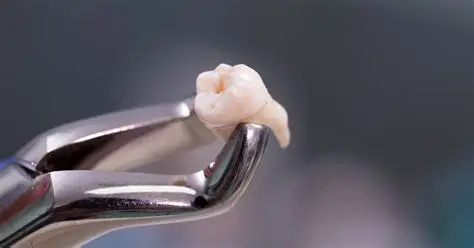
What Is Tooth Removal (Tooth Extraction)?
Tooth extraction is a dental procedure where a dentist carefully removes a tooth from its socket in the jawbone. Dentists usually recommend extraction when a tooth cannot be saved through treatments like fillings, crowns, or root canal therapy.
Common reasons for tooth removal include:
- Severe tooth decay
- Advanced gum disease
- Broken or damaged teeth
- Impacted wisdom teeth
- Overcrowding before orthodontic treatment (braces)
- Dental infections
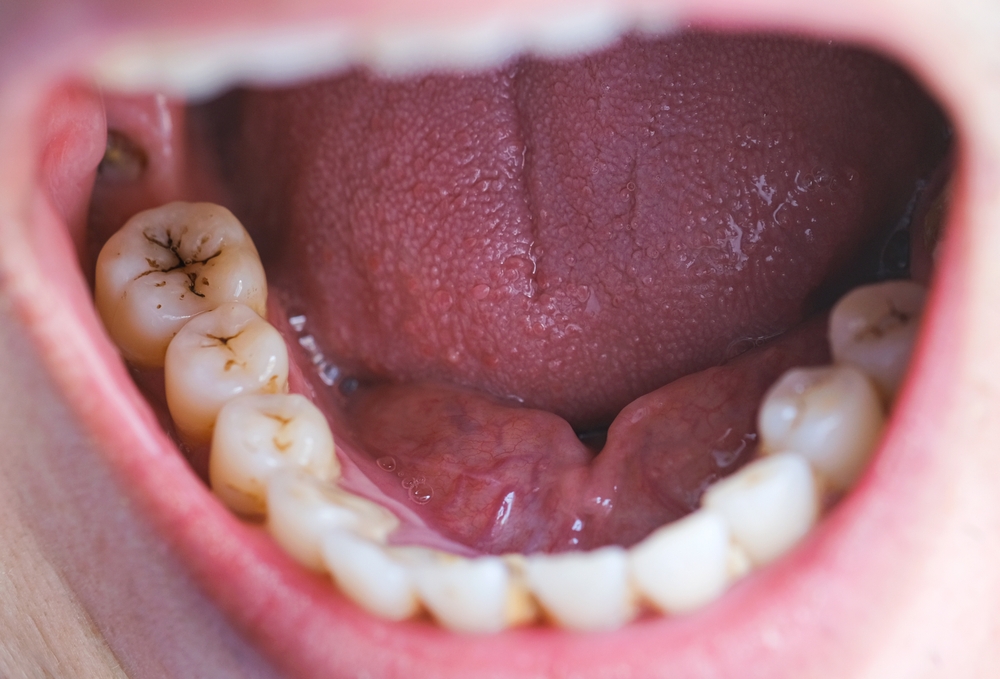
Dentists always try to save natural teeth whenever possible, but extraction may be necessary to protect your overall oral health.
Tooth Removal Procedure: The tooth extraction procedure is usually quick and safe when performed by a qualified dentist.
Here are the basic steps involved:
- Dental Examination
The dentist first examines your tooth and may take dental X-rays to understand the position of the tooth and surrounding bone. - Local Anesthesia
A local anesthetic is administered to numb the area around the tooth. This ensures that the patient does not feel pain during the extraction, although some pressure may be felt. - Tooth Removal
Once the area is numb, the dentist gently loosens the tooth using specialized dental instruments and carefully removes it from the socket. - Cleaning the Area
After the tooth is removed, the dentist cleans the area to remove debris or infection and may place gauze to help stop the bleeding.
In some cases, stitches may be used to help the gum heal properly.
Tooth Removal Cost
The cost of tooth extraction can vary depending on several factors, including:
- The condition of the tooth
- Whether it is a simple extraction or surgical extraction
- The clinic location
- Additional procedures such as X-rays or medications
Generally, simple tooth extractions cost less than surgical extractions such as impacted wisdom teeth removal.
For an accurate estimate, it is best to consult a dentist for a proper examination and treatment plan.
Aftercare Tips After Tooth Removal
Proper aftercare following tooth extraction is important for fast healing and preventing complications.
Here are important aftercare tips:
- Bite on Gauze
Bite gently on the gauze placed by your dentist for about 30–45 minutes to help stop bleeding. - Avoid Rinsing Immediately
Do not rinse your mouth vigorously within the first 24 hours, as this may dislodge the blood clot needed for healing. - Eat Soft Foods
Stick to soft foods such as yogurt, mashed potatoes, and soups during the first day after extraction. - Avoid Straws and Smoking
Using straws or smoking can disturb the blood clot and lead to a painful condition called dry socket. - Take Prescribed Medications
If your dentist prescribes pain relief medication or antibiotics, take them as directed. - Maintain Oral Hygiene
Continue brushing your teeth but avoid the extraction area for the first day.
When to Contact Your Dentist
You should contact your dentist if you experience:
- Severe pain that does not improve
- Excessive bleeding
- Swelling that worsens
- Signs of infection such as fever
Early treatment helps prevent complications and ensures proper healing.
Final Thoughts
Tooth removal is a safe and routine dental procedure when performed by an experienced dentist. Understanding the tooth extraction procedure, cost, and proper aftercare can help make the process less stressful.
If you are experiencing tooth pain, infection, or damaged teeth, visiting a dental professional early can help determine the best treatment for your oral health.
Schedule a dental consultation today to protect your smile and maintain healthy teeth and gums.