


Introduction: The Journey of a Growing Smile
Dental development is a fascinating and complex biological journey that begins long before a baby’s first tooth actually breaks through the gum line. For parents and caregivers, the eruption of that first tiny tooth is a major milestone, often celebrated as a sign of healthy growth. However, this process is rarely uniform. While there is a general developmental timeline that most children follow, dental growth is highly individualized.
In many cases, parents in communities like Ibadan may become concerned when their child’s teeth do not appear at the same time as their peers’. When teeth emerge later than the typical age range, it is clinically referred to as delayed tooth eruption. Understanding the specific stages of dental growth and the various biological or environmental factors that cause delays is essential for ensuring a child’s long-term oral and systemic health.
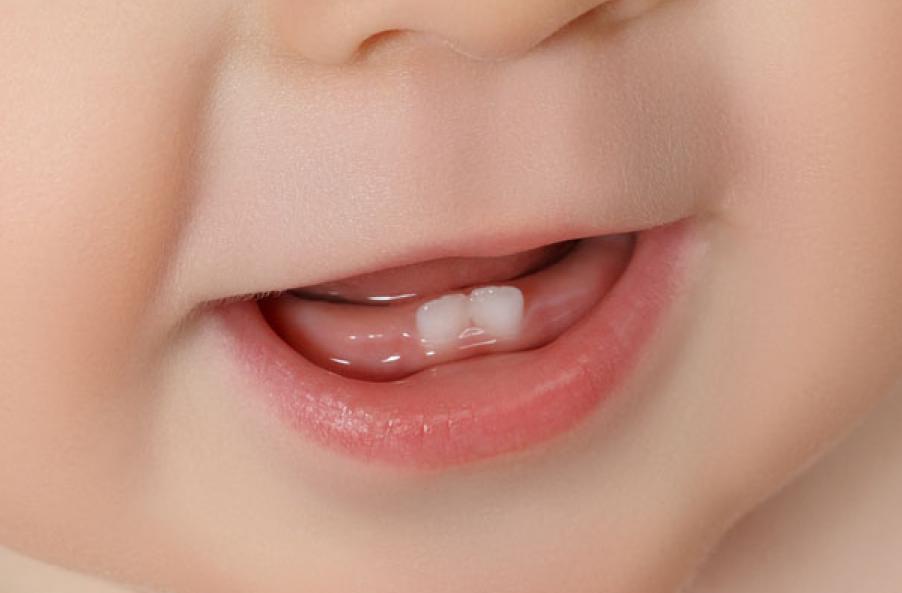
The Key Stages of Dental Development
Dental growth is generally categorized into three distinct phases. Understanding these helps parents know what to expect and when to seek professional advice.
The Primary Dentition Stage (Infancy to Age 3)
The first stage begins during infancy. While some babies are born with teeth (natal teeth), the first primary tooth usually a lower front tooth, typically erupts around six months of age. By the time a child reaches their third birthday, they should have a full set of 20 primary teeth.
- Why they matter: These “baby teeth” are far more than placeholders. They are essential for proper chewing and nutrition, assist in the clear development of speech sounds, and act as vital space maintainers for the permanent teeth waiting underneath.
The Mixed Dentition Stage (Age 6 to 12)
Around age six, the “mixed” phase begins. This is a transitional period where a child has a combination of primary and permanent teeth. The first permanent molars usually emerge behind the baby teeth, often without any teeth falling out first. Over the next six years, the primary teeth are gradually shed to make room for the 32 permanent teeth.
The Permanent Dentition & Wisdom Teeth (Teens to Young Adulthood)
The final stage involves the eruption of the third molars, commonly known as wisdom teeth. These typically appear between the ages of 17 and 21. Because the human jaw has evolved to be smaller, these teeth are the most likely to experience “impaction” or delays.
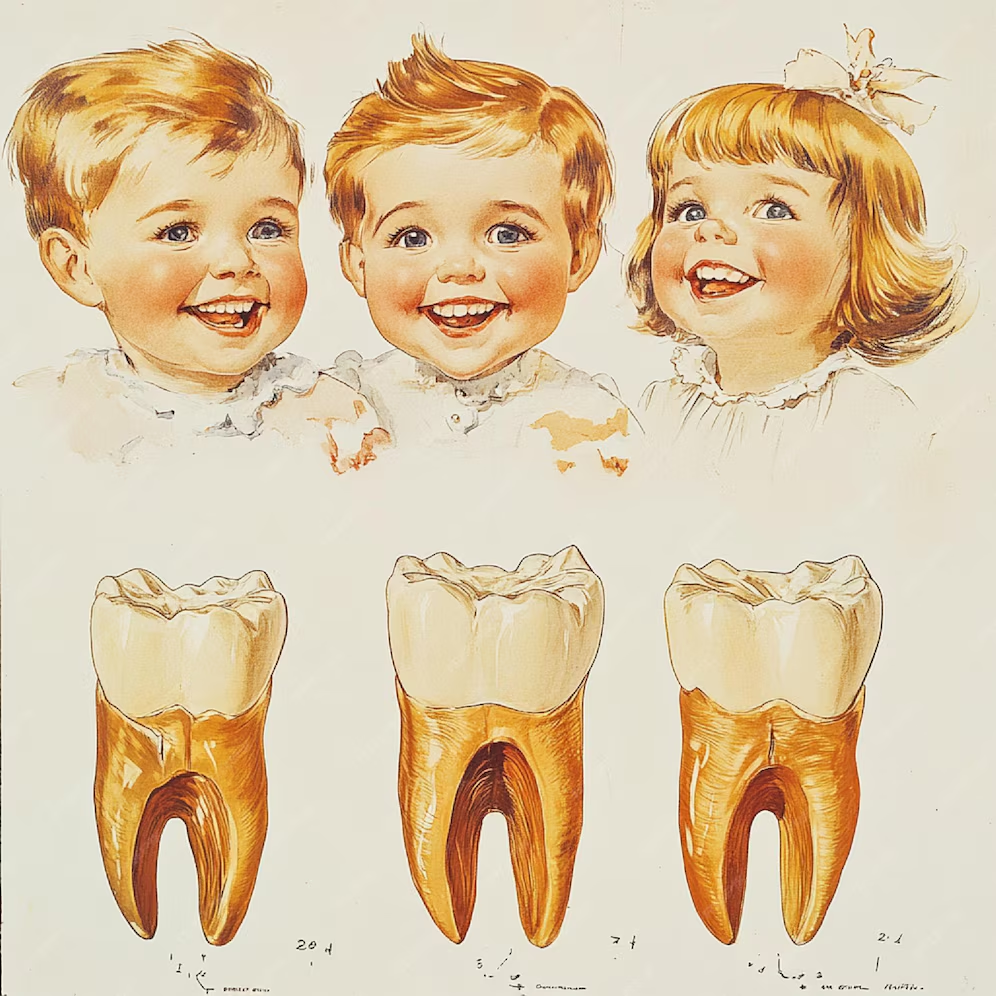
2. Potential Causes of Delayed Tooth Development
If your child’s teeth are “running late,” it is rarely a cause for immediate panic, but it does warrant an investigation into the underlying cause. Common factors include:
- Genetics and Heredity: This is the most frequent cause of late teething. If either parent had a delayed dental timeline as a child, it is highly likely the child will follow the same pattern.
- Nutritional Deficiencies: Proper dental calcification requires a steady supply of Calcium, Phosphorus, and Vitamins A, C, and D. In some regions, a lack of Vitamin D (often linked to limited sunlight or diet) can significantly slow down the speed at which teeth break through the bone.
- Medical and Developmental Conditions: Certain systemic issues can affect bone density and growth cycles. This includes hypothyroidism, growth hormone deficiencies, or conditions like Down syndrome.
- Local Obstructions: Sometimes, the delay is purely mechanical. If the jaw is too small (overcrowding) or if a primary tooth was lost too early and the gums have thickened, the permanent tooth may become “impacted” or blocked from erupting.
3. The Impact of Delayed Eruption on Child Health
Delayed dental development is not just an aesthetic concern; it can have ripple effects on a child’s overall development:
- Speech Difficulties: Teeth act as “contact points” for the tongue to create sounds like s, f, v, and th. Significant delays can lead to speech impediments or lisps.
- Nutritional Challenges: If a child lacks the necessary molars to grind food, they may struggle to eat a varied, healthy diet, potentially leading to digestive issues.
- Orthodontic Complications: When teeth erupt out of sequence or significantly late, they may drift into empty spaces, causing severe crowding that will require expensive braces or aligners later in life.
- Jaw Alignment Issues: The timing of tooth eruption helps guide the growth of the jawbones. Delays can occasionally lead to malocclusion (an improper bite).
4. Seeking Professional Guidance in Ibadan
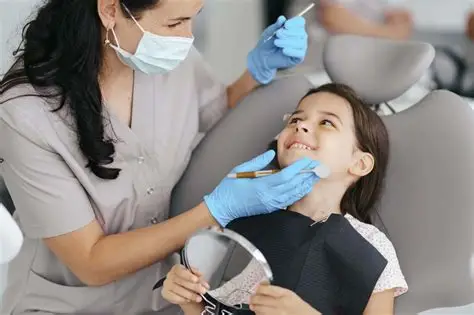
If your child has reached 12 to 15 months of age without a single tooth, or if a permanent tooth is more than six months “overdue” according to the standard timeline, it is time to consult a pediatric dental specialist.
A professional evaluation typically includes:
- Clinical Examination: Checking the gum tissue for signs of emerging teeth.
- Digital X-rays: This allows the dentist to see exactly where the “tooth buds” are located within the jaw and if there are any physical blockages.
- Growth Monitoring: Regular check-ups every six months allow the dentist to track the rate of development and intervene only when biologically necessary.
Preventive Measures for Healthy Growth
While you cannot change your child’s genetics, you can support their dental development through:
- Balanced Nutrition: Ensuring a diet rich in dairy, leafy greens, and proteins.
- Early Hygiene: Even before teeth appear, cleaning the gums with a soft cloth helps maintain a healthy environment for eruption.
- Regular Check-ups: Establishing a “dental home” early reduces anxiety and ensures that minor delays don’t turn into major problems.
Conclusion: Patience and Proactive Care
Delayed tooth development is often just a variation of “normal,” but it serves as a reminder of how interconnected oral health is with a child’s total growth. By staying informed and maintaining a relationship with a trusted dental professional, you can ensure that your child’s smile develops beautifully and functionally, regardless of the timeline.
Is your child’s smile on track? Book a developmental assessment at AskTheDentist Clinics today. Our specialists are here to guide you through every stage of your child’s dental journey.
Call/WhatsApp: +234 905 188 5390
Call/WhatsApp: +234 903 596 9039
