

Toothache Treatment in Ibadan: Here’s What to Do Before You See a Dentist
Looking for toothache treatment in Ibadan? Experiencing a painful tooth can be extremely uncomfortable, disrupting your sleep, making eating difficult, and affecting your everyday activities. Whether you are experiencing a sharp pain when drinking cold water, persistent throbbing, or discomfort around your gums, tooth pain is something you should never ignore.
If you have a toothache in Ibadan, knowing what to do before visiting a dentist can help you manage the discomfort and avoid making the situation worse while arranging professional dental care.
There are simple ways to temporarily relieve tooth pain at home. However, these remedies do not treat the underlying cause. Getting the right diagnosis and treatment from a qualified dental professional is essential.
At AskTheDentist Clinics in Ibadan, we believe that understanding your dental health is the first step towards maintaining a healthy, confident smile. In this guide, we explain the common causes of toothache, safe ways to manage tooth pain, warning signs that require urgent attention, and when to visit a dental clinic in Ibadan.
What Causes Toothache?
Toothache occurs when something affects the sensitive structures inside or around your teeth. The pain may be mild, sharp, constant, or severe, depending on the underlying problem.
Some common causes of toothache include:
1. Tooth Decay and Cavities
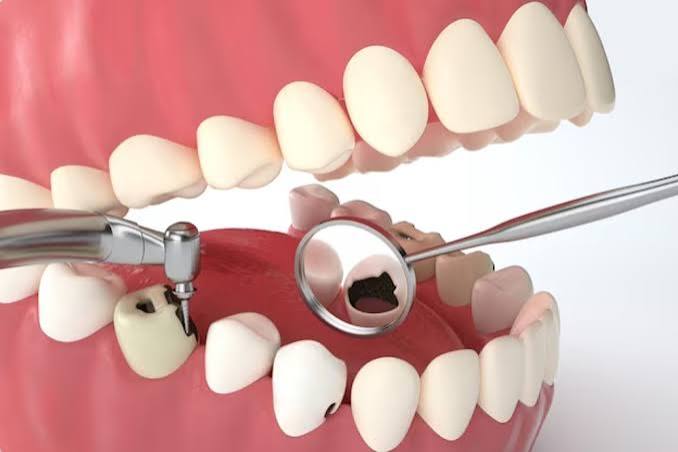
Tooth decay is one of the most common causes of toothache. It happens when bacteria in the mouth produce acids that gradually damage the outer protective layer of your teeth, known as enamel.
As the decay progresses deeper into the tooth, it can expose sensitive inner structures, causing pain when you eat or drink something hot, cold, or sweet.
If left untreated, a cavity can develop into a more serious dental problem requiring extensive treatment.
2. Dental Abscess or Tooth Infection
A dental abscess is a pocket of pus caused by a bacterial infection around a tooth or gum.
It can cause severe, persistent, throbbing pain that may spread to your jaw, ear, or neck. Other symptoms may include swollen gums, facial swelling, fever, difficulty chewing, and an unpleasant taste in your mouth.
A dental abscess requires urgent professional dental treatment. It will not simply disappear on its own.
3. Cracked or Broken Teeth
You may develop a toothache after biting something hard, sustaining an injury, or experiencing damage to an already weakened tooth.
Sometimes, a crack may be too small to see but can still expose sensitive parts of the tooth.
You may experience pain when chewing, biting down, or consuming hot and cold foods.
4. Gum Disease
Gum disease occurs when plaque and bacteria accumulate around the teeth and irritate the gums.
Early symptoms may include swollen, tender, or bleeding gums. As the condition progresses, it can damage the tissues supporting your teeth and potentially lead to tooth loss.
Pain around your teeth may sometimes be associated with advanced gum disease.
5. Impacted Wisdom Teeth
Wisdom teeth are the last set of molars to develop, usually emerging during late adolescence or early adulthood.
Sometimes, there is insufficient space for them to grow properly. This can cause pressure, pain, gum inflammation, and infection around the affected tooth.
A dental examination can help determine whether your wisdom teeth require treatment.
6. Damaged Fillings or Dental Restorations
If you previously had a dental filling, crown, or other restoration, damage or loosening can expose sensitive parts of your tooth.
This may cause discomfort when eating or drinking and should be assessed by a dentist.
7 Things You Should Do to Relieve Toothache Before Seeing a Dentist
If you cannot visit a dental clinic immediately, the following steps may help manage your discomfort temporarily.
1. Rinse Your Mouth with Warm Salt Water
One of the simplest ways to keep your mouth clean when experiencing toothache is to rinse with warm salt water.
Salt water can help clear food particles and debris from around the affected area.
How to do it:
-
Mix half a teaspoon of salt into a glass of warm water.
-
Stir until the salt dissolves.
-
Gently rinse your mouth with the solution.
-
Spit it out instead of swallowing it.
You can repeat this several times throughout the day.
Do not give salt-water rinses to young children who may accidentally swallow the solution.
2. Use a Cold Compress
If your toothache is accompanied by swelling around your cheek or jaw, a cold compress may help reduce swelling and temporarily relieve discomfort.
Wrap an ice pack or some ice in a clean towel and hold it gently against the outside of your cheek.
Apply it for approximately 15–20 minutes at a time, allowing breaks between applications.
Important: Never apply ice directly to your teeth or gums, as this may worsen sensitivity.
3. Take Appropriate Over-the-Counter Pain Relief
Medications such as paracetamol or ibuprofen may help temporarily manage dental pain.
However, you should:
-
Follow the dosage instructions on the medication packaging.
-
Consult a pharmacist if you are unsure which medication is suitable for you.
-
Avoid exceeding the recommended dosage.
-
Check with a healthcare professional before taking medication if you have an underlying medical condition, are pregnant, or use other medications.
Ibuprofen is not suitable for everyone, including some people with stomach ulcers, kidney problems, or certain other medical conditions.
Remember that painkillers only help manage the symptoms. They do not repair a damaged tooth or eliminate the source of a dental infection.
4. Avoid Very Hot, Cold, or Sugary Foods
When experiencing toothache, certain foods and drinks can make the pain worse.
Hot tea, cold beverages, ice cream, sweets, and sugary drinks may trigger discomfort, especially if you have exposed tooth nerves or cavities.
Until you see a dentist:
-
Avoid extremely hot or cold drinks.
-
Reduce sugary foods and beverages.
-
Choose soft foods that require minimal chewing.
-
Chew on the opposite side of your mouth.
Foods such as yoghurt, mashed potatoes, soft rice, and scrambled eggs may be easier to eat while experiencing tooth pain.
5. Maintain Good Oral Hygiene
Experiencing toothache does not mean you should stop brushing your teeth.
Continue cleaning your mouth carefully to prevent additional plaque and food debris from accumulating.
Use a soft-bristled toothbrush and fluoride toothpaste. Brush gently around the affected area, avoiding excessive pressure.
Maintaining good oral hygiene can help prevent additional irritation and support your overall dental health.
6. Keep Your Head Slightly Elevated When Sleeping
Some people notice that their toothache becomes more uncomfortable when lying completely flat.
If this happens, try sleeping with your head slightly elevated using an additional pillow.
This may help reduce the sensation of pressure and make resting more comfortable.
However, this is only a temporary comfort measure and does not treat the underlying dental problem.
7. Arrange an Appointment with a Dentist
This is arguably the most important step.
Even if the pain reduces after using salt water, cold compresses, or painkillers, you should still arrange a dental examination.
Toothache is usually a sign that something requires attention. The pain may temporarily disappear even when the underlying problem remains.
A qualified dentist can examine the affected tooth, identify the cause, and recommend the appropriate treatment.
If you are in Ibadan, contacting a professional dental clinic such as AskTheDentist Clinics is a practical step towards getting your dental health properly assessed.
What You Should NEVER Do When You Have a Toothache
While searching for quick toothache remedies, you may come across several home treatments that can potentially make your situation worse.
Here are some things you should avoid:
1. Do not place aspirin directly on your tooth or gums.
Aspirin is meant to be swallowed according to its instructions. Placing it directly against your gums can cause chemical irritation and tissue damage.
2. Do not apply undiluted alcohol to the affected tooth.
Alcohol is not a reliable treatment for toothache and may irritate the surrounding tissues.
3. Do not attempt to remove or drain an abscess yourself.
Puncturing swollen gums or attempting to drain an infection at home can cause further injury and complications.
4. Do not take antibiotics without professional advice.
Antibiotics are not necessary for every toothache. A dentist must determine whether they are appropriate. Even when prescribed, antibiotics do not replace treatment of the source of the infection.
5. Do not ignore persistent tooth pain.
Waiting for severe pain before visiting a dentist can allow an otherwise manageable dental problem to become more complicated.
When Should You See a Dentist Immediately?
Not every toothache is an emergency, but certain symptoms require urgent attention.
You should arrange an urgent dental appointment if you experience:
-
Severe or persistent tooth pain.
-
Toothache that lasts longer than one or two days.
-
Pain that does not improve with appropriate pain relief.
-
Swollen or bleeding gums around a painful tooth.
-
Pain when biting or chewing.
-
Fever accompanied by toothache.
-
A bad taste or discharge in your mouth.
-
Swelling around your cheek or jaw.
-
Difficulty opening your mouth.
When is it a medical emergency?
If you experience significant swelling around your mouth, neck, or eye, or have difficulty breathing, swallowing, or speaking, seek emergency medical attention immediately. Do not wait for a routine dental appointment.
These symptoms may indicate that an infection is spreading and requires immediate assessment.
What Will a Dentist Do During a Toothache Examination?
Many people delay visiting a dental clinic because they are unsure what to expect.
A professional dental examination is usually the first step towards identifying the cause of your discomfort.
Depending on your symptoms, your dentist may:
1. Examine the affected tooth: The dentist will assess the tooth, surrounding gums, and other areas of your mouth for visible signs of decay, damage, or infection.
2. Ask about your symptoms: You may be asked when the pain started, what makes it worse, and whether you experience sensitivity to hot or cold foods.
3. Recommend dental X-rays: If necessary, dental X-rays may help identify problems that are not visible during a routine examination, including deeper decay, infections, or damage around the tooth root.
4. Explain your treatment options: Depending on the diagnosis, treatment may include a dental filling, root canal treatment, professional cleaning, gum treatment, or tooth extraction.
The appropriate treatment will depend on the condition of your tooth and the severity of the problem.
Where Can You Get Professional Dental Treatment in Ibadan?
If you are experiencing toothache and need professional dental attention, choosing an accessible and patient-focused dental clinic is important.
AskTheDentist Clinics provides dental care in Ibadan, helping individuals and families take better care of their oral health.
Whether you need a routine dental examination, treatment for a painful tooth, professional cleaning, or advice about maintaining healthy teeth and gums, seeking professional guidance is an important step.
Rather than relying on temporary home remedies or waiting for the pain to become unbearable, arrange an appointment and have your teeth properly examined.
Your dental health deserves attention before a small problem becomes a bigger one.
How to Prevent Toothache in the Future
Although not every dental problem can be prevented, maintaining good oral hygiene and attending regular dental check-ups can significantly reduce your risk of developing common dental conditions.
Here are some important habits to adopt:
-
Brush twice daily: Brush your teeth for approximately two minutes in the morning and before bedtime using fluoride toothpaste.
-
Floss every day: Clean between your teeth to remove food particles and plaque that your toothbrush may miss.
-
Reduce sugar consumption: Limit sugary snacks, sweets, and soft drinks, particularly between meals.
-
Drink enough water: Water helps keep your mouth hydrated and supports normal saliva production.
-
Avoid smoking: Smoking increases your risk of gum disease and other oral health problems.
-
Visit your dentist regularly: Routine dental examinations can help identify potential problems before they become painful or complicated.
-
Do not ignore sensitivity: Persistent sensitivity to hot, cold, or sweet foods should be assessed by a dentist.
Remember, maintaining a healthy smile requires more than brushing your teeth. Preventive dental care plays an important role in protecting your teeth and gums.
Frequently Asked Questions About Toothache
1. How can I stop toothache immediately at home?
You can temporarily manage toothache by rinsing with warm salt water, applying a cold compress to the outside of your cheek if there is swelling, and using appropriate over-the-counter pain relief. However, these measures do not treat the underlying cause. Arrange a dental examination to identify and treat the problem.
2. Why does my tooth hurt more at night?
Toothache may feel more intense at night because lying flat can increase the sensation of pressure in an already inflamed area. Reduced distractions may also make you more aware of the pain. Try keeping your head slightly elevated, but arrange a dental examination rather than relying on this measure.
3. Can a toothache go away without treatment?
Sometimes tooth pain reduces or disappears temporarily. However, this does not necessarily mean the underlying dental problem has healed. Cavities, cracked teeth, and dental infections may continue developing even when the pain reduces. Always seek professional advice if you experience unexplained or persistent toothache.
4. Is toothache a sign of infection?
Not always. Toothache can result from tooth decay, sensitivity, cracks, gum disease, or other dental conditions. However, severe throbbing pain accompanied by swelling, fever, or a bad taste in your mouth may indicate an infection that requires urgent dental attention.
5. Can I take antibiotics for toothache?
You should not take antibiotics without a dentist’s or other qualified healthcare professional’s advice. Antibiotics are not appropriate for every dental problem, and many cases of toothache require procedures that address the actual source of the pain.
6. How much does toothache treatment cost in Ibadan?
The cost depends on the cause of the pain and the treatment required. A simple dental filling may cost differently from root canal treatment, an extraction, or treatment for a dental infection. A dental examination is necessary before an accurate treatment plan and cost estimate can be provided.
7. How do I find a good dentist in Ibadan?
Look for a dental clinic with qualified dental professionals, appropriate diagnostic facilities, good hygiene standards, clear communication, and a range of dental services. You should also consider accessibility and the clinic’s ability to address your particular dental concern.
8. When should I take my child to a dentist for toothache?
You should arrange a dental appointment as soon as your child develops unexplained tooth pain. Do not assume that pain in baby teeth is unimportant because those teeth will eventually fall out. Untreated dental problems can cause discomfort, infection, and difficulties with eating.
Final Thoughts: Don’t Let Toothache Control Your Life
Toothache is your body’s way of telling you that something may be wrong with your dental health.
Although simple home remedies can help reduce discomfort temporarily, they should never replace professional dental care. The earlier you identify and address the cause of tooth pain, the better your chances of avoiding more complicated dental problems.
If you are experiencing toothache in Ibadan, do not wait until the pain becomes unbearable before seeking help.
Book a dental appointment with AskTheDentist Clinics in Ibadan today. Let a dental professional examine your teeth, understand what is causing the discomfort, and guide you towards the right treatment.
Your smile deserves proper care. Start today!