

Toothache in Ibadan: 7 Proven Ways to Find Fast Relief
Experiencing a toothache in Ibadan can be more than just an uncomfortable experience. It can disrupt your sleep, make eating difficult, affect your concentration, and turn an otherwise normal day into a painful one. Whether you are dealing with a sharp pain when drinking cold water, persistent throbbing, or discomfort around your gums, tooth pain is something you should never ignore.
Whether you experience sharp pain when drinking cold water, persistent throbbing, or discomfort around your gums, tooth pain is something you should never ignore.
If you have a toothache in Ibadan, knowing what to do before visiting a dentist can help you manage the discomfort temporarily and avoid making the problem worse.
The good news is that there are simple steps you can take at home to manage tooth pain while arranging professional dental care. However, these remedies do not treat the underlying cause.
At AskTheDentist Clinics, we help individuals and families understand the importance of maintaining good oral health. In this guide, you’ll discover seven practical ways to manage toothache, common causes of dental pain, warning signs that require urgent attention, and where to find professional dental treatment in Ibadan.

Table of Contents
What Causes Toothache?
7 Things to Do to Relieve Toothache
What You Should Never Do
When to See a Dentist Immediately
What Happens During a Dental Examination?
Where to Get Professional Dental Treatment in Ibadan
How to Prevent Toothache
Frequently Asked Questions
Final Thoughts
What Causes Toothache?
Toothache occurs when something affects the sensitive structures inside or around your teeth. The pain may be mild, sharp, constant, or severe, depending on the underlying problem.
If you’re experiencing a toothache in Ibadan, understanding its possible causes can help you know when to seek professional dental attention.
Here are seven common causes of tooth pain.
1. Tooth Decay and Cavities
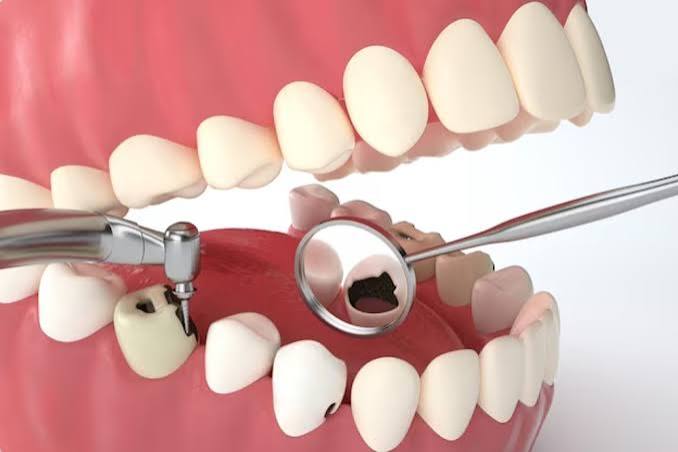
Tooth decay is one of the most common causes of toothache. It happens when bacteria in your mouth produce acids that gradually damage the protective outer layer of your teeth, known as enamel.
As decay progresses deeper into the tooth, it can expose sensitive inner structures, causing pain when you eat or drink something hot, cold, or sweet.
If left untreated, a cavity can develop into a more serious dental problem requiring extensive treatment.
2. Dental Abscess or Tooth Infection
A dental abscess is a pocket of pus caused by a bacterial infection around a tooth or gum.
It can cause severe, persistent, throbbing pain that may spread to your jaw, ear, or neck.
Other symptoms may include:
Swollen gums or facial swelling.
Fever.
Difficulty chewing.
An unpleasant taste in your mouth.
Tenderness around the affected tooth.
A dental abscess requires urgent professional treatment. It will not simply disappear on its own.
3. Cracked or Broken Teeth
You may develop a toothache after biting something hard, sustaining an injury, or experiencing damage to an already weakened tooth.
Sometimes, a crack may be too small to see but can still expose sensitive parts of the tooth.
You may experience pain when chewing, biting down, or consuming hot and cold foods.
4. Gum Disease
Gum disease occurs when plaque and bacteria accumulate around your teeth and irritate the gums.
Early symptoms may include swollen, tender, or bleeding gums.
As the condition progresses, it can damage the tissues supporting your teeth and potentially lead to tooth loss.
Pain around your teeth may sometimes be associated with advanced gum disease.
5. Impacted Wisdom Teeth
Wisdom teeth are the last set of molars to develop, usually emerging during late adolescence or early adulthood.
Sometimes, there is insufficient space for them to grow properly. This can cause pressure, pain, gum inflammation, and infection around the affected tooth.
A dental examination can help determine whether your wisdom teeth require treatment.
6. Damaged Fillings or Dental Restorations
If you previously had a dental filling, crown, or other restoration, damage or loosening can expose sensitive parts of your tooth.
This may cause discomfort when eating or drinking and should be assessed by a dentist.
7. Tooth Sensitivity
Tooth sensitivity occurs when the protective enamel becomes worn or the roots of your teeth become exposed.
You may experience sudden discomfort when consuming cold drinks, hot foods, sweets, or acidic beverages.
Persistent sensitivity should be assessed by a dentist because it may also indicate tooth decay or another dental problem.
7 Things to Do to Relieve Toothache Before Seeing a Dentist
If you cannot visit a dental clinic immediately, the following steps may help manage your discomfort temporarily.
These remedies are particularly useful when you’re experiencing toothache in Ibadan and need to manage the pain while arranging a dental appointment.
1. Rinse Your Mouth with Warm Salt Water
One of the simplest ways to keep your mouth clean when experiencing toothache is to rinse with warm salt water.
Salt water can help clear food particles and debris from around the affected area.
How to do it:
Mix half a teaspoon of salt into a glass of warm water.
Stir until the salt dissolves.
Gently rinse your mouth with the solution.
Spit it out instead of swallowing it.
You can repeat this several times throughout the day.
Do not give salt-water rinses to young children who may accidentally swallow the solution.
2. Use a Cold Compress
If your toothache is accompanied by swelling around your cheek or jaw, a cold compress may help reduce swelling and temporarily relieve discomfort.
Wrap an ice pack or some ice in a clean towel and hold it gently against the outside of your cheek.
Apply it for approximately 15–20 minutes at a time, allowing breaks between applications.
Important: Never apply ice directly to your teeth or gums, as this may worsen sensitivity.
3. Take Appropriate Over-the-Counter Pain Relief
Medications such as paracetamol or ibuprofen may help temporarily manage dental pain.
However, you should:
Follow the dosage instructions on the medication packaging.
Consult a pharmacist if you are unsure which medication is suitable for you.
Avoid exceeding the recommended dosage.
Check with a healthcare professional before taking medication if you have an underlying medical condition, are pregnant, or use other medications.
Ibuprofen is not suitable for everyone, including some people with stomach ulcers, kidney problems, or certain other medical conditions.
Remember that painkillers only help manage symptoms. They do not repair a damaged tooth or eliminate the source of a dental infection.
4. Avoid Very Hot, Cold, or Sugary Foods
When experiencing toothache, certain foods and drinks can make the pain worse.
Hot tea, cold beverages, ice cream, sweets, and sugary drinks may trigger discomfort, especially if you have exposed tooth nerves or cavities.
Until you see a dentist:
Avoid extremely hot or cold drinks.
Reduce sugary foods and beverages.
Choose soft foods that require minimal chewing.
Chew on the opposite side of your mouth.
Foods such as yoghurt, mashed potatoes, soft rice, and scrambled eggs may be easier to eat while experiencing tooth pain.
5. Maintain Good Oral Hygiene
Experiencing toothache does not mean you should stop brushing your teeth.
Continue cleaning your mouth carefully to prevent additional plaque and food debris from accumulating.
Use a soft-bristled toothbrush and fluoride toothpaste. Brush gently around the affected area, avoiding excessive pressure.
Maintaining good oral hygiene can help prevent additional irritation and support your overall dental health.
6. Keep Your Head Slightly Elevated When Sleeping
Some people notice that their toothache becomes more uncomfortable when lying completely flat.
If this happens, try sleeping with your head slightly elevated using an additional pillow.
This may help make resting more comfortable.
However, this is only a temporary comfort measure and does not treat the underlying dental problem.
7. Arrange an Appointment with a Dentist
This is arguably the most important step.
Even if the pain reduces after using salt water, cold compresses, or painkillers, you should still arrange a dental examination.
Toothache is usually a sign that something requires attention. The pain may temporarily disappear even when the underlying problem remains.
A qualified dentist can examine the affected tooth, identify the cause, and recommend the appropriate treatment.
If you need professional dental care for a toothache in Ibadan, contacting AskTheDentist Clinics is a practical step towards getting your dental health properly assessed.
For additional guidance on managing tooth pain and knowing when to seek professional help, you can also read the NHS guide to toothache.
What You Should NEVER Do When You Have a Toothache
While searching for quick toothache remedies, you may come across several home treatments that can potentially make your situation worse.
Here are five things you should avoid:
1. Do Not Place Aspirin Directly on Your Tooth or Gums
Aspirin is meant to be swallowed according to its instructions. Placing it directly against your gums can cause chemical irritation and tissue damage.
2. Do Not Apply Undiluted Alcohol to the Affected Tooth
Alcohol is not a reliable treatment for toothache and may irritate the surrounding tissues.
3. Do Not Attempt to Remove or Drain an Abscess Yourself
Puncturing swollen gums or attempting to drain an infection at home can cause further injury and complications.
4. Do Not Take Antibiotics Without Professional Advice
Antibiotics are not necessary for every toothache.
A dentist must determine whether they are appropriate. Even when prescribed, antibiotics do not replace treatment of the source of the infection.
5. Do Not Ignore Persistent Tooth Pain
Waiting for severe pain before visiting a dentist can allow an otherwise manageable dental problem to become more complicated.
If your toothache continues, arrange a dental examination rather than relying on home remedies.
When Should You See a Dentist Immediately?
Not every toothache is an emergency, but certain symptoms require urgent attention.
You should arrange an urgent dental appointment if you experience:
Severe or persistent tooth pain.
Toothache that lasts longer than one or two days.
Pain that does not improve with appropriate pain relief.
Swollen or bleeding gums around a painful tooth.
Pain when biting or chewing.
Fever accompanied by toothache.
A bad taste or discharge in your mouth.
Swelling around your cheek or jaw.
Difficulty opening your mouth.
When Is Toothache a Medical Emergency?
If you experience significant swelling around your mouth, neck, or eye, or have difficulty breathing, swallowing, or speaking, seek emergency medical attention immediately.
Do not wait for a routine dental appointment.
These symptoms may indicate that an infection is spreading and requires immediate assessment.
What Will a Dentist Do During a Toothache Examination?
Many people delay visiting a dental clinic because they are unsure what to expect.
A professional dental examination is usually the first step towards identifying the cause of your discomfort.
Depending on your symptoms, your dentist may:
1. Examine the Affected Tooth
The dentist will assess the tooth, surrounding gums, and other areas of your mouth for visible signs of decay, damage, or infection.
2. Ask About Your Symptoms
You may be asked when the pain started, what makes it worse, and whether you experience sensitivity to hot or cold foods.
3. Recommend Dental X-rays
If necessary, dental X-rays may help identify problems that are not visible during a routine examination, including deeper decay, infections, or damage around the tooth root.
4. Explain Your Treatment Options
Depending on the diagnosis, treatment may include:
A dental filling.
Root canal treatment.
Professional cleaning.
Gum treatment.
Tooth extraction.
The appropriate treatment will depend on the condition of your tooth and the severity of the problem.
You can learn more about restorative dental treatments available at AskTheDentist Clinics.
Where to Get Professional Treatment for Toothache in Ibadan
Finding reliable treatment for toothache in Ibadan should not be a stressful experience. Whether the pain is caused by tooth decay, a dental infection, a cracked tooth, or gum disease, getting the right diagnosis from a qualified dental professional is essential. At AskTheDentist Clinics, patients can seek professional evaluation and guidance on appropriate dental treatment.
AskTheDentist Clinics provides dental care in Ibadan, helping individuals and families take better care of their oral health.
Located at Yemetu Street, off Adeoyo Road, Agbadagbudu Area, Ibadan, the clinic offers dental services for different oral health needs.
Whether you need a routine dental examination, treatment for a painful tooth, professional cleaning, or advice about maintaining healthy teeth and gums, seeking professional guidance is an important step.
Rather than relying on temporary home remedies or waiting for the pain to become unbearable, arrange an appointment and have your teeth properly examined.
How to contact AskTheDentist Clinics:
Location: Yemetu Street, Adeoyo Road, Agbadagbudu Area, Ibadan, Oyo State.
Phone: +234 905 188 5390.
Website: AskTheDentist Clinics.
Appointments: Book a dental appointment.
Your dental health deserves attention before a small problem becomes a bigger one.
How to Prevent Toothache in the Future
Although not every dental problem can be prevented, maintaining good oral hygiene and attending regular dental check-ups can significantly reduce your risk of developing common dental conditions.
Here are seven important habits to adopt:
1. Brush Twice Daily
Brush your teeth for approximately two minutes in the morning and before bedtime using fluoride toothpaste.
2. Floss Every Day
Clean between your teeth to remove food particles and plaque that your toothbrush may miss.
3. Reduce Sugar Consumption
Limit sugary snacks, sweets, and soft drinks, particularly between meals.
4. Drink Enough Water
Water helps keep your mouth hydrated and supports normal saliva production.
5. Avoid Smoking
Smoking increases your risk of gum disease and other oral health problems.
6. Visit Your Dentist Regularly
Routine dental examinations can help identify potential problems before they become painful or complicated.
7. Do Not Ignore Tooth Sensitivity
Persistent sensitivity to hot, cold, or sweet foods should be assessed by a dentist.
Remember, maintaining a healthy smile requires more than brushing your teeth. Preventive dental care plays an important role in protecting your teeth and gums.
For more oral health advice, explore the AskTheDentist Clinics blog.
Frequently Asked Questions About Toothache
1. How Can I Stop Toothache Immediately at Home?
You can temporarily manage toothache by rinsing with warm salt water, applying a cold compress to the outside of your cheek if there is swelling, and using appropriate over-the-counter pain relief.
However, these measures do not treat the underlying cause. Arrange a dental examination to identify and treat the problem.
2. Why Does My Tooth Hurt More at Night?
Toothache may feel more intense at night because lying flat can increase the sensation of pressure in an already inflamed area.
Reduced distractions may also make you more aware of the pain.
Try keeping your head slightly elevated, but arrange a dental examination rather than relying on this measure.
3. Can a Toothache Go Away Without Treatment?
Sometimes tooth pain reduces or disappears temporarily. However, this does not necessarily mean the underlying dental problem has healed.
Cavities, cracked teeth, and dental infections may continue developing even when the pain reduces.
Always seek professional advice if you experience unexplained or persistent toothache.
4. Is Toothache a Sign of Infection?
Not always.
Toothache can result from tooth decay, sensitivity, cracks, gum disease, or other dental conditions.
However, severe throbbing pain accompanied by swelling, fever, or a bad taste in your mouth may indicate an infection that requires urgent dental attention.
5. Can I Take Antibiotics for Toothache?
You should not take antibiotics without a dentist’s or other qualified healthcare professional’s advice.
Antibiotics are not appropriate for every dental problem, and many cases of toothache require procedures that address the actual source of the pain.
6. How Much Does Toothache Treatment Cost in Ibadan?
The cost depends on the cause of the pain and the treatment required.
A simple dental filling may cost differently from root canal treatment, an extraction, or treatment for a dental infection.
A dental examination is necessary before an accurate treatment plan and cost estimate can be provided.
7. How Do I Find a Good Dentist in Ibadan?
Look for a dental clinic with qualified dental professionals, appropriate diagnostic facilities, good hygiene standards, clear communication, and a range of dental services.
You should also consider accessibility and the clinic’s ability to address your particular dental concern.
8. When Should I Take My Child to a Dentist for Toothache?
You should arrange a dental appointment as soon as your child develops unexplained tooth pain.
Do not assume that pain in baby teeth is unimportant because those teeth will eventually fall out.
Untreated dental problems can cause discomfort, infection, and difficulties with eating.
Final Thoughts: Don’t Let Toothache Control Your Life
Toothache is your body’s way of telling you that something may be wrong with your dental health.
Although simple home remedies can help reduce discomfort temporarily, they should never replace professional dental care.
The earlier you identify and address the cause of tooth pain, the better your chances of avoiding more complicated dental problems.
If you are experiencing toothache in Ibadan, taking the right steps early can help prevent a minor dental problem from becoming more complicated. Although home remedies may provide temporary relief, they cannot replace professional dental examination and treatment.
Book a dental appointment with AskTheDentist Clinics in Ibadan today. Let a dental professional examine your teeth, understand what is causing the discomfort, and guide you towards the right treatment.
Visit AskTheDentist Clinics or call +234 905 188 5390 to arrange your appointment.
Your smile deserves proper care. Start today!
Medical References and Further Reading
For additional information about toothache, dental infections, and oral health, consult these trusted resources:
NHS – Toothache
American Dental Association – MouthHealthy
MedlinePlus – Tooth Disorders
These resources provide additional guidance on dental symptoms, prevention, and when to seek professional care.