
Introduction
When a tooth infection reaches the pulp, the choice is often between root canal treatment Ibadan and extraction. At AskTheDentist Clinics in Ibadan, we believe in saving natural teeth whenever possible — and root canal treatment Ibadan is one of the most effective ways to do exactly that.
The procedure removes infected or inflamed pulp from inside the tooth, cleans and shapes the root canal system, and seals it to prevent reinfection. It is a cornerstone of restorative dentistry and the primary means of preserving teeth affected by pulpal and periapical disease.
Yet many Ibadan residents delay root canal treatment Ibadan because of fear or cost concerns. A study of patients at Dugbe Dental Centre in Ibadan found that 90% perceived root canal treatment as painful and frightening, while 82% believed it was not worth the cost compared with extraction. These beliefs are understandable — but they are based on outdated information. Modern root canal treatment Ibadan, performed with effective local anaesthesia, is comfortable, predictable, and almost always cheaper than replacing a lost tooth.
This guide explains who needs root canal treatment Ibadan, what the procedure involves, what it costs, and why saving your natural tooth is usually the better choice.
What Is Root Canal Treatment Ibadan?
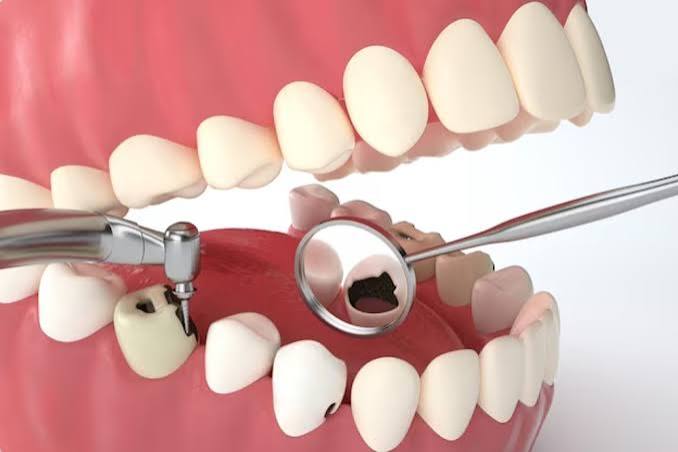
Root canal treatment Ibadan — also called endodontic treatment — is a dental procedure that treats infection or inflammation inside the tooth. Beneath the hard outer layers of enamel and dentin lies the pulp: a soft tissue containing nerves, blood vessels, and connective tissue. When bacteria reach the pulp — through deep decay, a cracked tooth, or trauma — the pulp becomes infected or dies, and the surrounding bone can become inflamed.
The NHS explains that root canal treatment removes infection from inside the tooth, after which the tooth is cleaned and filled to prevent it becoming infected again.
Root canal treatment Ibadan at AskTheDentist Clinics follows the same evidence-based principles used in leading dental centres worldwide:
-
Access — a small opening is made through the crown of the tooth
-
Cleaning and shaping — infected pulp and necrotic debris are removed, and the canal is shaped
-
Disinfection — irrigants flush out bacteria
-
Obturation — the canal is sealed with a biocompatible filling material
-
Restoration — a filling or crown protects the tooth and restores function
The American Dental Association (ADA) outlines the same basic approach: the dentist creates a small opening to access and remove the inner nerves or pulp tissue, then seals the canal with a strong material to prevent the spread of infection.
Why Root Canal Treatment Ibadan Patients Need It: The Local Evidence
Root canal treatment is not a rare procedure in Ibadan — it is one of the most common endodontic treatments performed in the city. Understanding the local picture helps explain why root canal treatment Ibadan matters so much.
A retrospective study of 357 root canal treatment cases performed at the University College Hospital (UCH), Ibadan, between January 2020 and December 2022 found that:
-
Toothache was the most common presenting complaint, reported by 59.4% of patients
-
Acute apical periodontitis — inflammation around the root tip — was the most frequent diagnosis at 36.4%
-
Pulpal necrosis (dead pulp) was identified in 83.2% of treated teeth
-
Trauma-related cases had significantly greater odds of pulpal necrosis than cases with irreversible pulpitis
In other words, most patients who needed root canal treatment Ibadan arrived in pain, with infection that had already progressed. The same study found that females made up 56% of the patient population, and the 20–29 age group accounted for the largest proportion at 25.2% — evidence that this is not only a problem for older adults.
The paediatric picture is equally important. A five-year retrospective study at UCH Ibadan found that 9.6% of children seen at the paediatric dental unit received endodontic treatment, with root canal therapy the most prevalent treatment in permanent teeth — especially central incisors (32.7%) and first permanent molars (14.6%). Dental caries and trauma were the commonest reasons, and delayed presentation was a recurring theme.
These findings point to one conclusion: root canal treatment Ibadan is needed most when dental problems are allowed to progress. Early assessment and timely treatment reduce the need for complex endodontics — but when it is needed, it should not be delayed further.
Signs You May Need Root Canal Treatment Ibadan
You may need root canal treatment Ibadan if you experience any of the following:
-
Severe, lingering toothache — especially pain that wakes you at night
-
Prolonged sensitivity to hot or cold that continues after the stimulus is removed
-
Pain when chewing or applying pressure to a tooth
-
Swelling around the gum or face near the affected tooth
-
A pimple-like bump on the gum that may discharge pus
-
Darkening or discolouration of a single tooth
-
A cracked or fractured tooth with exposed pulp
-
A history of dental trauma — even if the tooth currently feels fine
The Ibadan UCH study found that toothache was the dominant driver of root canal treatment, followed by apical pathology. If you have persistent tooth pain, do not wait for it to “settle.” Book an assessment at AskTheDentist Clinics — early root canal treatment Ibadan is simpler, more comfortable, and more predictable than treatment for advanced infection.
If you also have swelling, fever, or difficulty swallowing, treat it as an emergency and contact our emergency dental care in Ibadan immediately.
What Happens During Root Canal Treatment Ibadan?
At AskTheDentist Clinics, every root canal treatment Ibadan appointment is structured for comfort and predictability.
1. Diagnosis and Treatment Planning
We begin with a clinical examination and dental X-rays to assess the tooth, the extent of infection, and the shape of the root canal system. We confirm whether root canal treatment Ibadan is the right option — or whether an alternative treatment is more appropriate.
2. Local Anaesthesia
The area is numbed before treatment begins. Modern local anaesthetics make root canal treatment Ibadan comfortable for the vast majority of patients. If you are anxious, tell us — we can discuss options to make the appointment easier.
3. Isolation and Access
The tooth is isolated to keep the area clean and dry. A small opening is made through the crown to reach the pulp chamber and canals.
4. Cleaning, Shaping, and Disinfection
Infected pulp tissue and necrotic debris are removed. The canals are cleaned, shaped, and irrigated to eliminate bacteria. This step is critical: research from Ibadan notes that the adequacy of cleaning and shaping is a significant factor affecting the success rate of root canal therapy.
5. Obturation (Sealing)
The cleaned canals are filled and sealed with a biocompatible material to prevent bacteria from re-entering.
6. Restoration
The tooth is restored with a filling or, where necessary, a crown. A well-restored tooth functions like a natural tooth and can last for many years.
How Many Visits Does Root Canal Treatment Ibadan Take?
Many cases can be completed in one to two visits, depending on the complexity of the tooth and the severity of infection. Complex cases — such as molars with curved canals or retreatment of a previously treated tooth — may require additional visits.
Root Canal Treatment Ibadan vs. Extraction: Why Saving the Tooth Matters
Extraction may seem like the simpler, cheaper option — and in Ibadan, many patients assume it is. But losing a tooth has consequences that are not always obvious at the time.
| Factor | Root Canal Treatment Ibadan | Extraction |
|---|---|---|
| Natural tooth | Preserved | Lost permanently |
| Chewing function | Maintained | Reduced; adjacent teeth may shift |
| Bone support | Preserved | Bone loss begins after extraction |
| Future treatment | Usually none beyond restoration | Implant, bridge, or denture may be needed |
| Long-term cost | Often lower overall | Replacement costs can exceed RCT |
| Appearance | Natural tooth retained | Gap or prosthetic replacement |
When a tooth is extracted, the bone that supported it begins to shrink, and adjacent teeth can drift into the space. Replacing a missing tooth with an implant or bridge is usually more expensive than root canal treatment Ibadan — and the replacement will never be a natural tooth.
The WHO emphasises that oral health is integral to general health, and preserving functional dentition supports nutrition, speech, and quality of life. Root canal treatment Ibadan is one of the most effective ways to preserve a tooth that would otherwise be lost.
Is Root Canal Treatment Ibadan Painful?
This is the question that stops many Ibadan residents from seeking care. The Dugbe Dental Centre study found that 90% of patients perceived root canal treatment as painful and frightening — but that perception does not match modern clinical reality.
With effective local anaesthesia, root canal treatment Ibadan is generally comfortable. Most patients report that the procedure feels similar to having a filling. The pain they experienced before treatment — from infection and inflammation — is usually far worse than anything felt during treatment.
Research from Ibadan has even investigated ways to improve comfort during root canal treatment. A randomised study conducted at the University College Hospital, Ibadan, found that buffered local anaesthetic produced lower pain scores at injection, a shorter onset time, and greater comfort during root canal therapy compared with non-buffered anaesthetic. This reflects the broader trend in Ibadan dental practice: root canal treatment Ibadan is becoming more comfortable, not less.
If you are anxious, tell us before your appointment. We can discuss anaesthesia options, explain each step, and pace the treatment to your comfort level.
How Much Does Root Canal Treatment Ibadan Cost?
The cost of root canal treatment Ibadan varies depending on several factors:
-
Tooth type — anterior (front) teeth generally cost less than molars
-
Number of canals — molars have more canals and require more time
-
Complexity — curved canals, retreatment, or calcified canals increase difficulty
-
Restoration — a filling versus a crown after treatment
-
Additional treatment — X-rays, medication, or a temporary restoration
Across Nigeria, root canal treatment generally ranges from ₦100,000 to ₦400,000 or more per tooth, depending on complexity, while crowns can range from ₦150,000 to ₦1,200,000 or more. The Nigerian Health Insurance Authority (NHIA) tariff for posterior root canal therapy is listed at ₦15,000 — but this is the amount NHIA pays accredited providers, not the out-of-pocket price at a private clinic.
At AskTheDentist Clinics, we believe in transparent pricing. Before root canal treatment Ibadan begins, you will receive a clear quotation covering the procedure and any restoration needed. We also discuss payment arrangements during your consultation.
For current pricing and to book an assessment, call or WhatsApp 0905 188 5390. Do not let cost uncertainty delay treatment — the earlier root canal treatment Ibadan is performed, the simpler and more affordable it usually is.
Aftercare: Recovering from Root Canal Treatment Ibadan
After root canal treatment Ibadan, most patients return to normal activities the same day or the next day. Mild tenderness around the treated tooth is common for a few days — especially if there was significant infection before treatment.
Aftercare essentials:
-
Avoid chewing on the treated tooth until the final restoration is placed
-
Take pain relief as advised — over-the-counter analgesics are usually sufficient
-
Maintain oral hygiene — brush and floss gently around the treated tooth
-
Attend your follow-up appointment — to confirm healing and place the final restoration
-
Report persistent pain or swelling — if symptoms worsen rather than improve, contact us
A well-treated and well-restored tooth can last for many years — often decades. The key is to protect it with a proper restoration and to attend regular checkups. Our preventive dental care in Ibadan service helps monitor treated teeth and catch problems early.
Frequently Asked Questions About Root Canal Treatment Ibadan
Q: Is root canal treatment Ibadan painful?
A: With modern local anaesthesia, root canal treatment Ibadan is generally comfortable. Most patients compare it to having a filling. The pain from the infection before treatment is usually worse than any discomfort during the procedure.
Q: How much does root canal treatment Ibadan cost?
A: Costs vary depending on the tooth, number of canals, complexity, and restoration needed. In Nigeria, root canal treatment generally ranges from ₦100,000 to ₦400,000 or more per tooth. Contact AskTheDentist Clinics for an accurate quotation.
Q: How many visits does root canal treatment Ibadan take?
A: Many cases can be completed in one to two visits. Complex cases — such as molars or retreatment — may require additional appointments.
Q: Can I eat after root canal treatment Ibadan?
A: Yes, but avoid chewing on the treated tooth until the final restoration is placed. Choose soft foods and avoid very hot or hard foods for the first few days.
Q: Is root canal treatment Ibadan better than extraction?
A: In most cases, yes. Root canal treatment preserves your natural tooth, maintains chewing function, and avoids the bone loss and replacement costs associated with extraction. Your dentist will advise you if extraction is genuinely necessary.
Q: How long does a root canal-treated tooth last?
A: With a proper restoration and good oral hygiene, many treated teeth last for decades — often a lifetime. Regular checkups help monitor the tooth and catch problems early.
Q: Can root canal treatment Ibadan be done on children?
A: Yes, when clinically indicated. A UCH Ibadan study found that root canal therapy was the most prevalent endodontic treatment in permanent teeth among children, most often due to caries and trauma. Our team provides gentle children’s dental care in Ibadan.
Q: What happens if I delay root canal treatment Ibadan?
A: The infection can spread, causing abscess formation, bone loss, and systemic symptoms. Delayed treatment may make the procedure more complex and reduce the chance of saving the tooth. Early treatment is always preferable.
Q: Will I need a crown after root canal treatment Ibadan?
A: Not always, but often — especially for back teeth that bear heavy chewing forces. A crown protects the tooth from fracture and restores full function.
Q: Where can I get root canal treatment Ibadan?
A: Contact AskTheDentist Clinics on Yemetu Street, off Adeoyo Road, Agbadagbudu Area, Ibadan. Call or WhatsApp 0905 188 5390 to book your assessment.
Conclusion
A tooth infection does not resolve on its own. Without treatment, the bacteria continue to multiply, the infection spreads, and the tooth is eventually lost — often along with bone that supported it. Root canal treatment Ibadan stops that process, relieves pain, and preserves your natural tooth.
At AskTheDentist Clinics in Ibadan, we provide thorough assessment, comfortable treatment, and transparent pricing for root canal treatment Ibadan. We explain your options clearly, answer your questions, and help you make an informed decision — without pressure.
Do not let fear or cost uncertainty cost you a tooth. Book your assessment today.
📍 Visit us: Yemetu Street, off Adeoyo Road, Agbadagbudu Area, Ibadan
📞 Call or WhatsApp: 0905 188 5390
Save your natural tooth — book your root canal treatment Ibadan consultation today.