

Introduction: More Than Just a Cosmetic Upgrade
In the world of oral healthcare, few treatments are as transformative as orthodontic braces. While many people associate braces solely with “awkward teenage years” or a temporary quest for a “perfect selfie,” their true purpose goes far beyond aesthetics.
Modern orthodontics views braces as precision medical tools. They are engineered to improve oral function, prevent long-term systemic health complications, and provide a permanent boost to self-esteem. Whether you are considering treatment for yourself as an adult or looking into options for your child, understanding that braces are a vital investment in long-term wellness is the first step toward a healthier, more functional smile.
The Anatomy of Braces
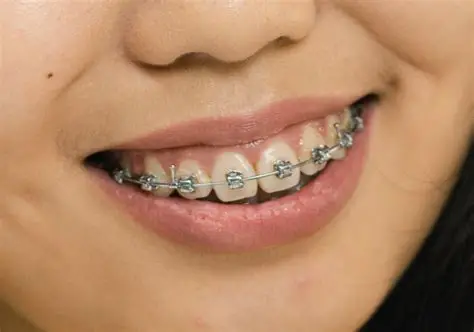
To understand your treatment, it helps to know the “hardware” involved:
| Component | Function |
|---|---|
| Brackets | Small metal or ceramic squares bonded to each tooth; they act as the anchor points. |
| Archwires | The thin metal wire that connects the brackets; it acts as the “track” that guides the teeth. |
| Ligatures | Also known as “o-rings,” these small rubber bands hold the wire to the bracket. |
| Anchors/Bands | Metal rings usually placed on the back molars to provide a solid base for the entire structure. |
The Different Types of Braces: Choosing Your Path
Modern dental technology has evolved significantly. Patients in cities like Ibadan now have several choices that cater to their lifestyle, professional needs, and budget.
1. Traditional Metal Braces
These remain the most common and cost-effective option. Made of high-grade stainless steel, they are incredibly durable and highly effective at treating complex overcrowding or severe bite issues. For younger patients, the ability to choose colored elastics makes them a fun, customizable experience.
2. Ceramic Braces
Functionally similar to metal braces, these use tooth-colored or clear brackets. They are a top choice for adults and older teens who want a more discreet look while still needing the corrective power of fixed appliances. They offer a “blended” appearance that is much less noticeable in professional settings.
3. Lingual Braces
These are the “secret” braces. They are placed on the backside (lingual side) of the teeth, making them completely invisible from the front. They require specialized expertise to install and adjust, making them a premium option for those who want total discretion.
4. Clear Aligners (e.g., Invisalign)
While not “braces” in the traditional sense, clear aligners are a revolutionary alternative. These custom-made, removable plastic trays are replaced every two weeks. They are nearly invisible, easy to clean, and allow you to eat whatever you want since they are removable.
Modern technology has moved far beyond the ‘train track’ look of the past. Today, patients have several options based on their lifestyle, budget, and the severity of their dental misalignment.
- Traditional Metal Braces: These remain the most common and cost-effective option. Made of high-grade stainless steel, they are incredibly durable and highly effective at treating complex overcrowding or severe bite issues.
- Ceramic Braces: Functionally similar to metal braces, these use tooth-colored or clear brackets. They are popular among adults and older teens who want a more discreet look while still needing the power of fixed appliances.
- Lingual Braces: These are placed on the backside (lingual side) of the teeth, making them completely invisible from the front. They require specialized expertise to install and adjust but offer the ultimate level of discretion.
- Clear Aligners (Invisalign): While not ‘braces’ in the traditional sense, clear aligners are a popular orthodontic alternative. These custom-made, removable plastic trays are replaced every two weeks to gradually shift teeth. They are nearly invisible and can be removed for eating and cleaning.
Why Do Braces Matter? (The Hidden Benefits)
Many people view braces as a cosmetic luxury, but orthodontists view them as a functional necessity. Here is why proper alignment matters for your long-term health:
- Improved Digestive Health: Digestion begins in the mouth. If teeth are misaligned (malocclusion), it becomes difficult to chew food thoroughly. Properly aligned teeth allow for efficient mastication, which aids the stomach in breaking down nutrients effectively.
- Prevention of Tooth Decay and Gum Disease: When teeth are crowded or overlapping, they create ‘tight spots’ that are nearly impossible to reach with a toothbrush or floss. This leads to plaque buildup, cavities, and eventually, gingivitis. Straightening the teeth makes daily hygiene much more effective.
- Correcting Bite Issues and Jaw Pain: Misaligned teeth often lead to an improper bite (overbite, underbite, or crossbite). This can put excessive strain on the Temporomandibular Joint (TMJ), causing chronic headaches, jaw popping, and facial pain. Braces align the jaw to distribute pressure evenly.
- Preventing Bone Erosion: Teeth that are poorly aligned can put abnormal pressure on the supporting bone and gum tissue. Over time, this can lead to bone loss and tooth instability. Orthodontic treatment ensures that the roots are supported by healthy bone structures.
- Speech Improvement: Our teeth play a crucial role in how we sound out words. Gaps or significant misalignments can cause lisps or whistling sounds. By repositioning the teeth, braces can often improve clarity of speech and phonetics.
When Is the Right Time for Braces?
While the American Association of Orthodontists recommends a first check-up by age 7, braces aren’t just for kids. One in four orthodontic patients today is an adult. Whether you are correcting a lifelong issue or addressing teeth that have shifted later in life, the ‘right time’ is whenever you are ready to prioritize your oral health.
Conclusion
Braces are a journey, not a quick fix. While the treatment may take anywhere from 12 to 36 months, the results last a lifetime. Beyond a beautiful, straight smile, you are investing in easier hygiene, better digestion, and the prevention of costly dental emergencies down the road.
Book Your Consultation at AsktheDentist Clinics Today.
- Call/WhatsApp: +234 903 596 9039
- Call/WhatsApp: +234 905 188 5390
